The meal-pattern method
Instead of guessing a single daily figure, write down what a typical day of eating actually looks like for you on holiday. Do you eat breakfast at the hotel or grab a pastry on the way out? Is lunch the main meal or a quick sandwich? Do you want one memorable dinner or several? Price each slot separately, then add a line for coffee, water, snacks and drinks.
Once you have one typical day, adjust for the whole trip. Travel days usually mean airport or station food, which tends to cost more. A special-occasion dinner deserves its own line rather than being averaged into every day. And if breakfast is included with your room, remove that slot entirely instead of guessing a smaller figure.
Eating styles compared
| Style | Relative cost | Pros | Cons |
|---|---|---|---|
| Self-catering | Lowest | Supermarket and market shopping; full control over diet | Needs a kitchen; time spent shopping and cooking |
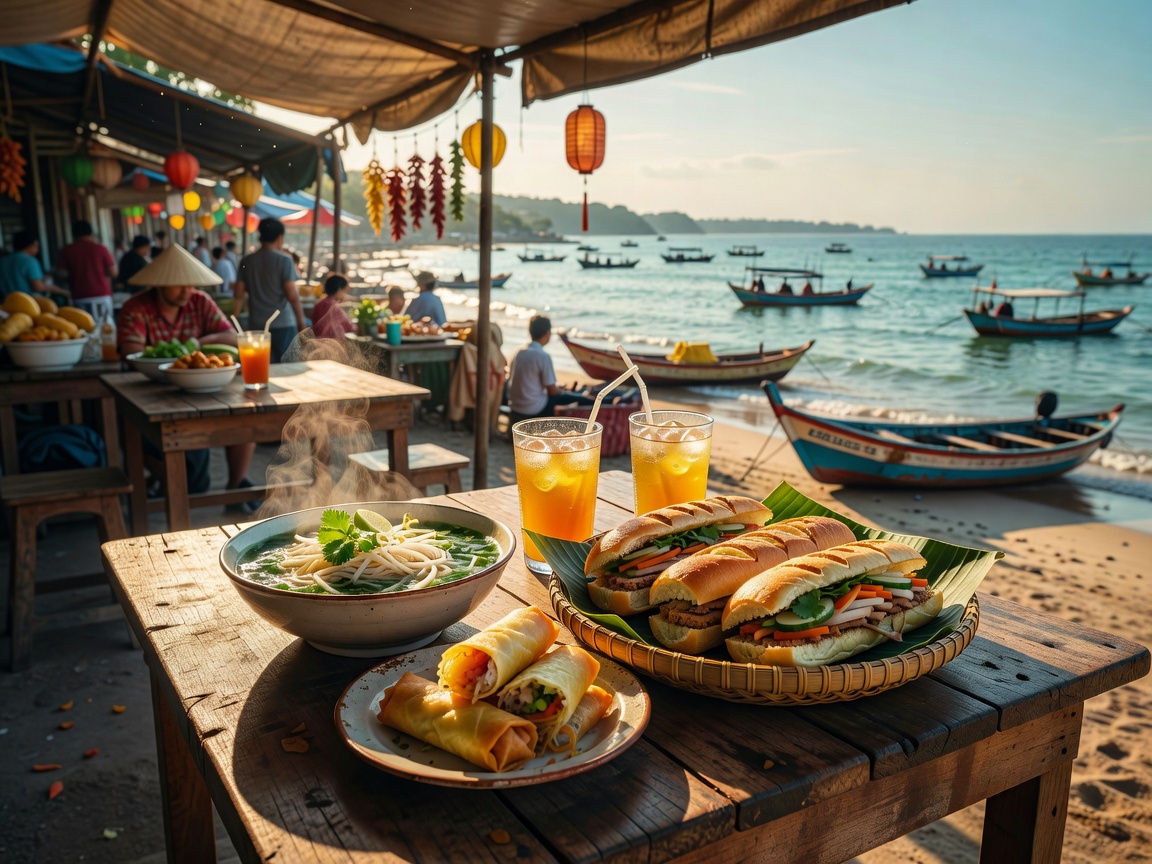
| Markets and street food | Low to moderate | Local flavour, quick, often excellent value | Limited seating; hygiene standards vary |
| Casual sit-down | Moderate | Comfortable, predictable menus, a rest for tired feet | Drinks and extras raise the bill quickly |
| Fine dining | Highest | A trip highlight; tasting menus make the cost predictable | Reservations, deposits and wine pairings add up |
Most travellers mix styles. A practical pattern is a simple breakfast, a market or street-food lunch and a sit-down dinner, with one splurge meal budgeted separately.
Charges that hide on the bill
- Service charges — some restaurants add a percentage automatically; check before tipping on top.
- Cover charges — a per-person table charge is customary in some countries, such as the coperto found in many Italian restaurants.
- Water and bread — may be served and charged without you ordering them.
- Tipping customs — expectations range from none at all to a substantial percentage; look up the norm for each country you visit.
- Card surcharges — small venues may add a fee for card payments or accept cash only.
- Terrace or view pricing — the same coffee can cost more at an outdoor table in a busy square.
Drinks and coffee deserve their own line
Coffee, soft drinks, bottled water and alcohol are easy to forget and can rival the cost of a meal over a day. If you drink alcohol with dinner, price it separately so you can see its effect. In hot climates, budget for more bottled water than you would at home, or pack a refillable bottle where tap water is safe to drink.
Dietary needs and allergies
Specific diets can change your budget in either direction. Vegetarian food is widely available and good value in many cuisines, while strict allergies or gluten-free requirements may limit you to fewer, sometimes pricier, venues. Carrying a translated allergy card and researching a few safe options in advance saves both money and stress.
Ways to spend less
- Make lunch the main meal where set lunch menus are common
- Shop at supermarkets for breakfast and snacks
- Eat a few streets away from major sights
Where savings backfire
- Skipping meals leads to expensive impulse buys
- Too much self-catering eats into sightseeing time
- Avoiding local food misses part of the trip
Groups, families and sharing
Food mostly scales per person, so a larger group rarely saves much per head. The exceptions are shared dishes, family-style meals and self-catering, where one grocery shop feeds everyone. Children may eat less but often need more snacks between meals. Budget per person first, then adjust for shared plates.
A food checklist
- Map a typical day's meals and price each slot.
- Remove any meals included with your accommodation.
- Add coffee, water, snacks and drinks separately.
- Budget one or two special meals on their own line.
- Research service, cover and tipping norms for each country.
- Multiply by days and travellers, then add a small tip percentage.